Monteverde: Quetzal Birdwatching Tour with Expert Guide
Monteverde birding focused on the quetzal.
Check availabilityCosta Rica packs highland, lowland, wetland and coastal birding into a small country. The key is choosing a few habitats and giving each one time.
Updated: October 29, 2026. Tour availability, park rules and prices change, so check the booking page or park authority before you go.
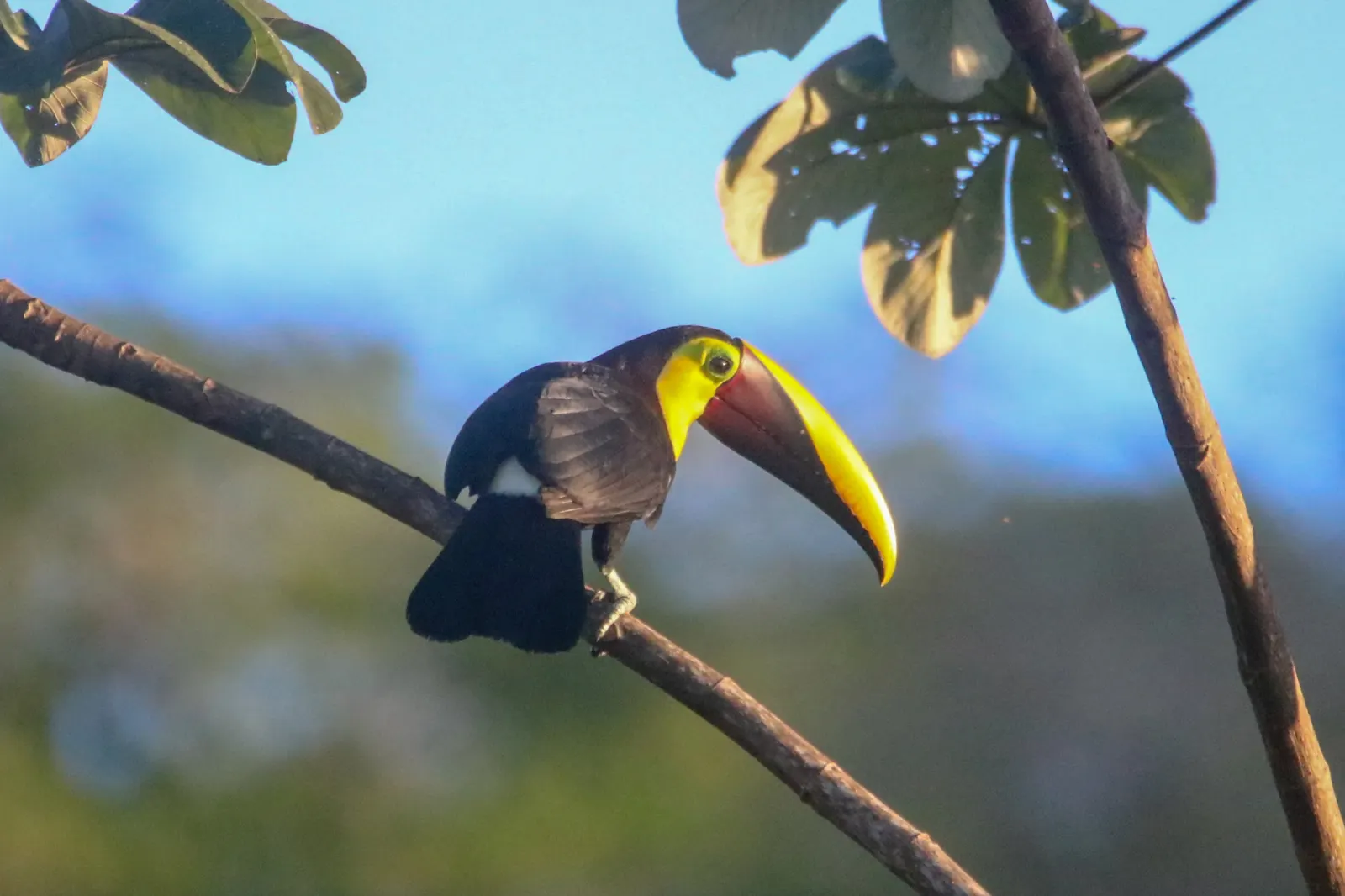
Birding routes in Costa Rica usually combine several elevation zones. Cloud forest (Monteverde and other highlands), the Caribbean lowlands (Sarapiquí, Tortuguero), the Pacific transition zone (Carara), and the dry northwest (Guanacaste and Palo Verde) each hold a different set of species. Two or three habitats over a week is more relaxed and often more productive than racing between five.
| Trip length | Route idea | Why |
|---|---|---|
| 5–6 days | Sarapiquí → La Fortuna → Monteverde | Lowland rainforest, foothills and cloud forest with manageable drives |
| 8–10 days | Add Carara and the Central Pacific | Transition-zone species and coastal birds |
| 10+ days | Add Palo Verde (dry season) or Osa | Wetland birds, or remote Pacific lowland forest |
The dry season (roughly December to April on the Pacific side) is the most popular time for birding trips, with northern migrants present over the winter months. The green season has fewer visitors, lush forest and many resident species breeding. Monteverde is misty at any time. In Guanacaste, the dry season concentrates waterbirds in the remaining wetlands.
Local guides know territories, calls and current hotspots. Book an early-morning session at the start of each region, then bird on your own. Ask whether the tour is small-group, whether a scope is used, and what time it starts. Good birding usually starts at dawn.
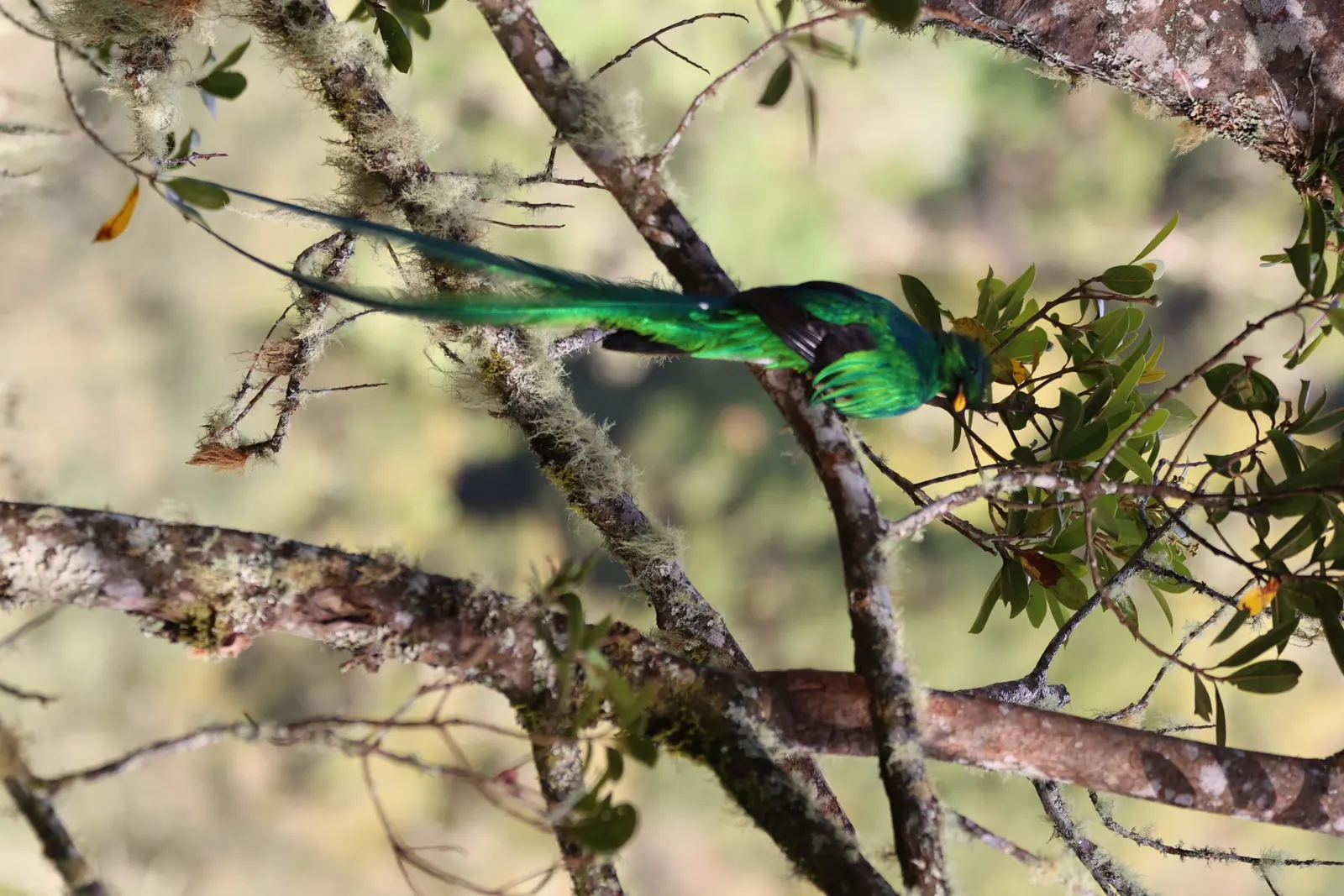
The resplendent quetzal draws many birders to Monteverde. Guides often know fruiting trees where quetzals feed, particularly wild avocado relatives, but there is no guarantee. Give yourself at least two mornings in the highlands if seeing one matters to you.
Monteverde birding focused on the quetzal.
Check availabilityA Monteverde birdwatching tour.
Check availabilitySunrise birding in the Arenal area.
Check availabilityBirding in Carara National Park.
Check availabilityA Palo Verde boat trip for wetland birds.
Check availabilityAffiliate links: we may earn a commission at no extra cost to you. Prices, schedules and inclusions change, so confirm details on the booking page.